FULFILLING CRITERIA FOR TALENT VISAS
Original contribution criterion for EB-1A and O-1
Important: this page is for informational purposes only. We are not lawyers, we share information from open sources and do not provide any legal or immigration advice or consultations. The full liability disclaimer is located at the bottom of the page.
Criterion 5: Original scientific, scholarly, artistic, athletic, or business contributions of major significance to the field
Specialists state that it is important to show that the applicant's activity makes a positive and significant contribution to the field in which they work. This means documented existing work that constitutes a significant, meaningful contribution to the field of activity.
According to open sources, there are various approaches to documenting this criterion. For more detailed information, consult specialists, and we'll summarize the available information that documentary confirmation of an original contribution to the field is the basis for fulfilling this criterion.
The original as always on the official website – Link
Translation:
First, USCIS determines whether the person made an original contribution to their professional field. Then it considers whether this contribution has significant importance for the development of the field.
Examples of relevant evidence (but not limited to):
Published materials describing the significance of the person's original work,
Recommendation letters, reviews, and affidavits confirming the originality and impact of their work,
Documentation showing the citation level of the person's work, indicating its importance in the professional community,
Patents, licenses, or evidence of commercial use of their work results.
Key considerations:
The evaluation focuses on whether the applicant's original work constitutes a significant, meaningful contribution to the field's development. The mere fact that work was funded, patented, or published may indicate its originality, but does not always confirm its major significance to the field.
Below is a summary of practices and recommendations we have seen in successful EB-1A/O-1 petitions and heard from licensed U.S. immigration attorneys. This is exclusively information from open sources and successful cases, not legal advice or instructions specifically for your case.
Here is an example of the first page of a methodology that can serve to fulfill this criterion (Provided by PR platform Persona).
Discover new international opportunities right now
Complete your professional profile assessment in 2 minutes and find out:

The page you will be redirected to is exclusively related to building a professional profile and does not provide visa, immigration, or legal services and is in no way affiliated with the Knowledge Center educational platform.
After completing the test, you can return to this page or book a PR consultation with specialists we've verified.
For all questions regarding public profile building, publications, scholarly materials, interviews, and comprehensive professional positioning, we recommend the PR platform Persona System , which systematically works in this field, has been verified by us, and has signed the ethical memorandum on the .
On the page you can learn more about the Persona System platform, or choose other specialists who have also signed the ethical memorandum and work in this field.
Persona System provides exclusively PR and media support and does not provide legal or immigration advice.
We do not place paid advertising and do not receive payment from companies for placement in the "Specialists we recommend" section. This section includes only specialists and companies that have signed the ethical memorandum on the .
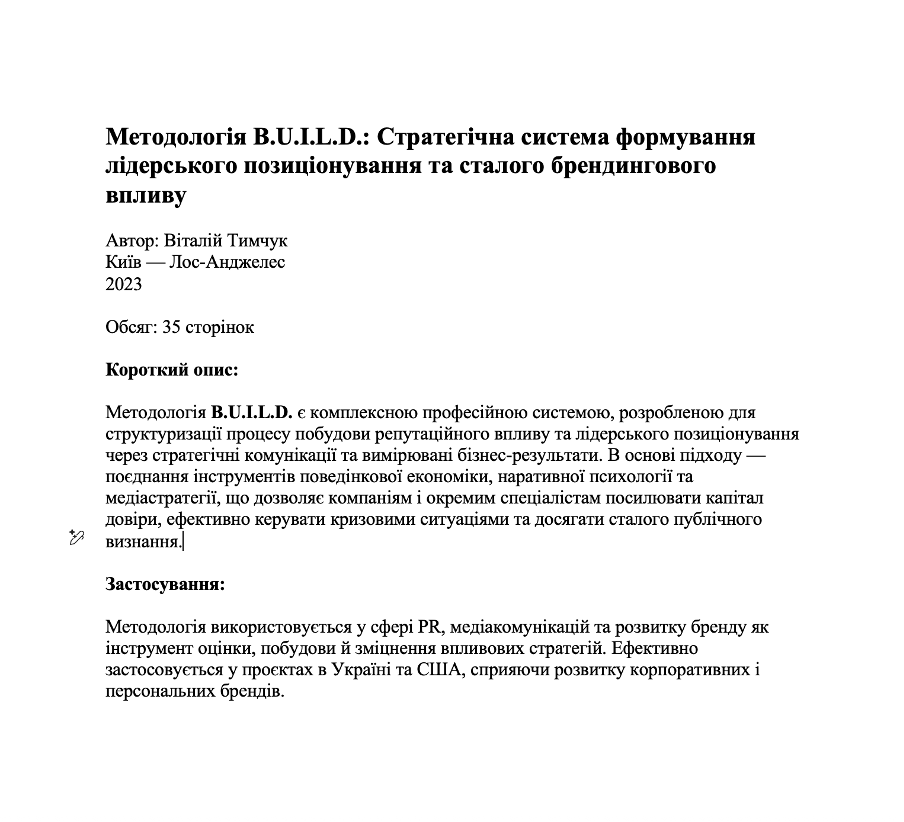
Such a methodology (which can be 30+ pages) according to requirements, successful applicants from open sources added references (recommendation letters) from colleagues in the field. It's better if your work is evaluated by experienced, well-known professionals. How to properly do references, and templates of reference letters with examples, you can see on .
How to format evidence of contribution to the profession — patents, books, methodologies, inventions, research
Confirming your contribution to the profession is not just "collecting papers," but creating an entire story of your brilliance on paper. Open sources describe typical approaches to demonstrating authorship.
Usually in such sources it is mentioned that applicants can first collect documentary evidence that you are the author or co-author of the work. These can be copies of the patent certificate, application, or extract from the official register (WIPO, USPTO), the ISBN page of your book, a cover photo, or a screenshot from a library or publisher website.
Open materials often note that the impact of work can be confirmed by the fact that the work actually changed something in the world, not just gathered dust on a shelf. Extracts from databases showing authorship, such as Google Scholar or Scopus, letters from colleagues confirming the work's significance, are often cited in practical guides as examples.
Open sources mention that an explanatory letter is usually a short document (up to 1.5 pages) in which authors describe the history of their work, explain its content, significance, and impact on the field.
8 CFR is the federal law of the USA that defines legal requirements for immigration categories. USCIS only interprets this law in its clarifications and policy manual. Therefore, it is specifically 8 CFR that should be referenced in official petitions, as it is the primary source that officers use when making decisions.
Link Code of Federal Regulations — 8 CFR §204.5(h)(3)(v)
8 CFR §204.5(h)(3)(v) is a section from the Code of Federal Regulations that regulates requirements for EB-1A (Extraordinary Ability) immigration petitions.
In other words, this section defines criterion #5 in the list of USCIS requirements.
But don't worry, examples of petitions with real wording examples, letter structure, and evidence breakdown will be explained in detail on the super important page
And we move to criterion number 6:
Disclaimer
The "Knowledge Center for O1 and EB1 Talent Visas" platform is an independent informational resource created solely for educational and informational purposes.
We are not lawyers, a law firm, or accredited immigration representatives and do not provide legal or immigration advice.
All information on the site is general in nature and based on open sources.
Information published on the site may be summarized, simplified, or incomplete. We do not guarantee its completeness, accuracy, or timeliness and are not responsible for any actions, decisions, or consequences that may arise from the use of this content.
Before submitting any documents or making important decisions regarding immigration procedures, consult a licensed attorney in the United States if needed.
Materials published on the platform may be distributed for non-commercial purposes with attribution to the source.
Please include a warning that these materials do not constitute legal advice and do not guarantee approval of any visas or petitions.
By using this site, you confirm that you have read the terms of this disclaimer, understand that all materials are for reference only, and agree that the Knowledge Center for O1EB1 Talent Visas bears no legal or other liability for any use of the published information.
The platform is not an official resource of the U.S. government or USCIS and has no formal affiliation with them.
This project aims to combine knowledge, experience, and open sources to help professionals better understand their opportunities. However, each path is individual. If in doubt, consult professionals.
By using this platform, you confirm that you have read and agree to our Terms of Use, Privacy Policy, and Legal Disclaimer, available in the respective sections of this resource.